October 15, 2026
Keeping Cataract Procedures Moving Smoothly
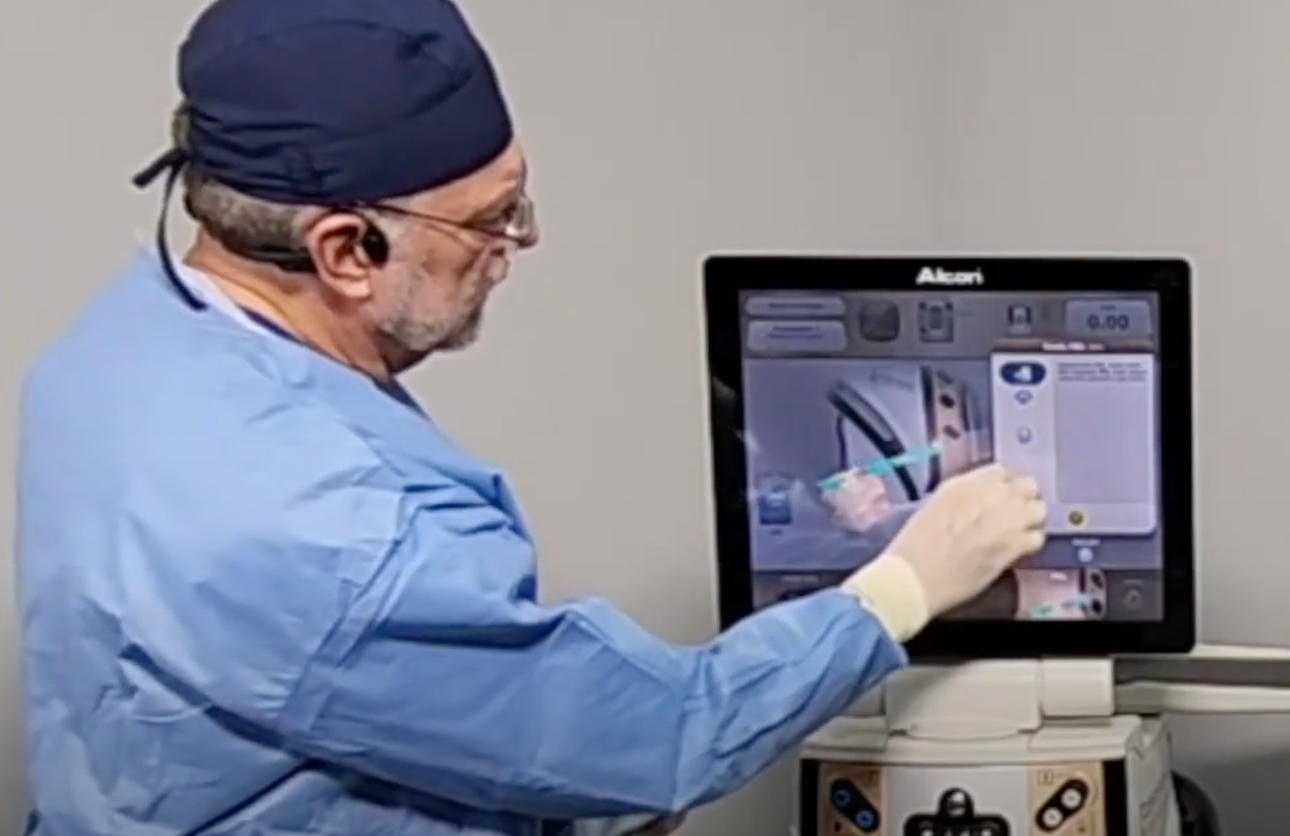
Advanced ophthalmic surgical systems such as the Alcon CENTURION® Vision System are designed to provide surgeons with precise control during cataract procedures. But even the most sophisticated equipment depends on something equally important: a surgical team that understands how to properly set up, operate, and troubleshoot the system.
Proper training is not just about knowing which buttons to press. It is about understanding how the system, handpiece, consumables, footswitch, and fluidics work together—and knowing what to do when something does not perform as expected.
When a Small Setup Issue Becomes a Bigger Problem
Recently, MEDiSURG visited a facility that was experiencing interruptions with its CENTURION system. During troubleshooting, we observed issues involving the setup and use of the equipment.
One concern involved the proper installation of the tip on the handpiece. Correct assembly of the handpiece, tip, sleeve, and associated components is important because these components are part of the system that provides irrigation, aspiration, and phacoemulsification during cataract surgery.
When something is assembled incorrectly, the surgical team may experience unexpected performance or system interruptions. Without adequate training, staff members may initially assume there is a problem with the equipment when the issue may actually involve setup, technique, or another correctable factor.
The experience demonstrated why surgical staff should not only know how to set up the equipment, but also understand why each step matters.
Understanding the Footswitch and Reflux
Another important part of operating the CENTURION is understanding the footswitch. During cataract surgery, the surgeon uses different footswitch positions to control functions such as irrigation, aspiration, and phacoemulsification. Depending on how the system and footswitch are configured, the footswitch can also be used to activate other functions. One of these functions is reflux.
What Is Reflux?
During normal aspiration, fluid and material are drawn toward and through the aspiration pathway. Reflux temporarily reverses that flow, sending fluid in the opposite direction toward the tip.
This can be a useful function. For example, a surgeon may intentionally use reflux to help release material that has become engaged at the aspiration port. However, reflux should be intentional.
If a surgeon expects one response from the footswitch but inadvertently activates reflux because of foot placement or unfamiliarity with the footswitch configuration, the system may behave differently than expected. That does not necessarily mean the system is malfunctioning. It may mean that the surgical team needs a better understanding of the system's controls and how the footswitch has been programmed. This is exactly why hands-on training matters.
Training Helps Teams Recognize Equipment Problems vs. Setup Problems
When a surgical system does not behave as expected, the immediate reaction may be: “Something is wrong with the machine.” Sometimes there is an equipment problem that requires service. But sometimes the solution begins with checking the basics:
· Is the handpiece assembled correctly?
· Is the tip properly installed?
· Is the irrigation sleeve positioned correctly?
· Are the appropriate consumables being used?
· Has the system been primed and tested correctly?
· Is the footswitch configured as expected?
· Does the surgeon understand what each footswitch movement controls?
· Does the surgical team recognize the difference between a setup issue, an operating issue, and a potential equipment malfunction?
A trained team is better prepared to work through these questions systematically rather than immediately assuming the equipment has failed.
Training Can Help Reduce Unnecessary Surgical Delays
The operating room is not the place where staff members want to learn how to troubleshoot unfamiliar equipment for the first time. When everyone understands the system before a procedure begins, the team can work together more efficiently. Proper training can help staff:
· Set up the system and handpieces correctly
· Understand the purpose of important system functions
· Recognize common setup mistakes
· Understand footswitch operation
· Perform appropriate system checks
· Identify basic troubleshooting steps
· Recognize when an issue requires technical service
· Communicate more effectively when a problem occurs
· Reduce avoidable interruptions and delays
Most importantly, training helps create a surgical environment in which the team is prepared rather than reactive.
MEDiSURG Training Goes Beyond Equipment Service
At MEDiSURG, we believe maintaining surgical equipment is only part of supporting our customers.
We also provide training for surgical staff and physicians to help them better understand the operation of their ophthalmic surgical systems.
Training can include proper system setup, handpiece preparation, system operation, footswitch functions, basic troubleshooting, and recognizing when an issue should be escalated for technical service.
Our goal is not simply to show a team how to turn on a system. We want staff members to understand the equipment well enough to use it confidently and recognize what to check when something does not seem right.
A Well-Trained Team Supports a Smoother Surgical Day
Sophisticated surgical technology performs best when the people using it understand how it works.
A small setup error or misunderstanding of a system function can create unnecessary confusion and delays. With proper training, surgical teams can identify many of these issues more quickly and know when professional service is required.
Preventive maintenance keeps your equipment prepared. Training helps keep your team prepared.
Together, they can help create a more efficient surgical environment and keep procedures moving as smoothly as possible.
Does your surgical team need additional training on your ophthalmic equipment? Contact MEDiSURG to learn more about surgical staff and physician training, equipment service, preventive maintenance, and technical support.