April 30, 2026
Ophthalmology is a precise field where the margin for error is nonexistent. Surgeons rely on calibrated machines to perform procedures that restore vision. When advanced tools function perfectly, they enable life-changing outcomes for patients. However, robust devices eventually experience wear and tear from regular use.
Maintaining optimal functionality of clinic tools is a strict requirement for patient safety. Ignoring subtle warning signs leads to catastrophic mid-procedure failures or costly repairs. Every facility must establish a robust protocol for monitoring its eye surgery equipment to prevent adverse events. Recognizing early symptoms of degradation helps staff schedule maintenance before breakdowns occur.
1. Inconsistent Calibration During Routine Procedures
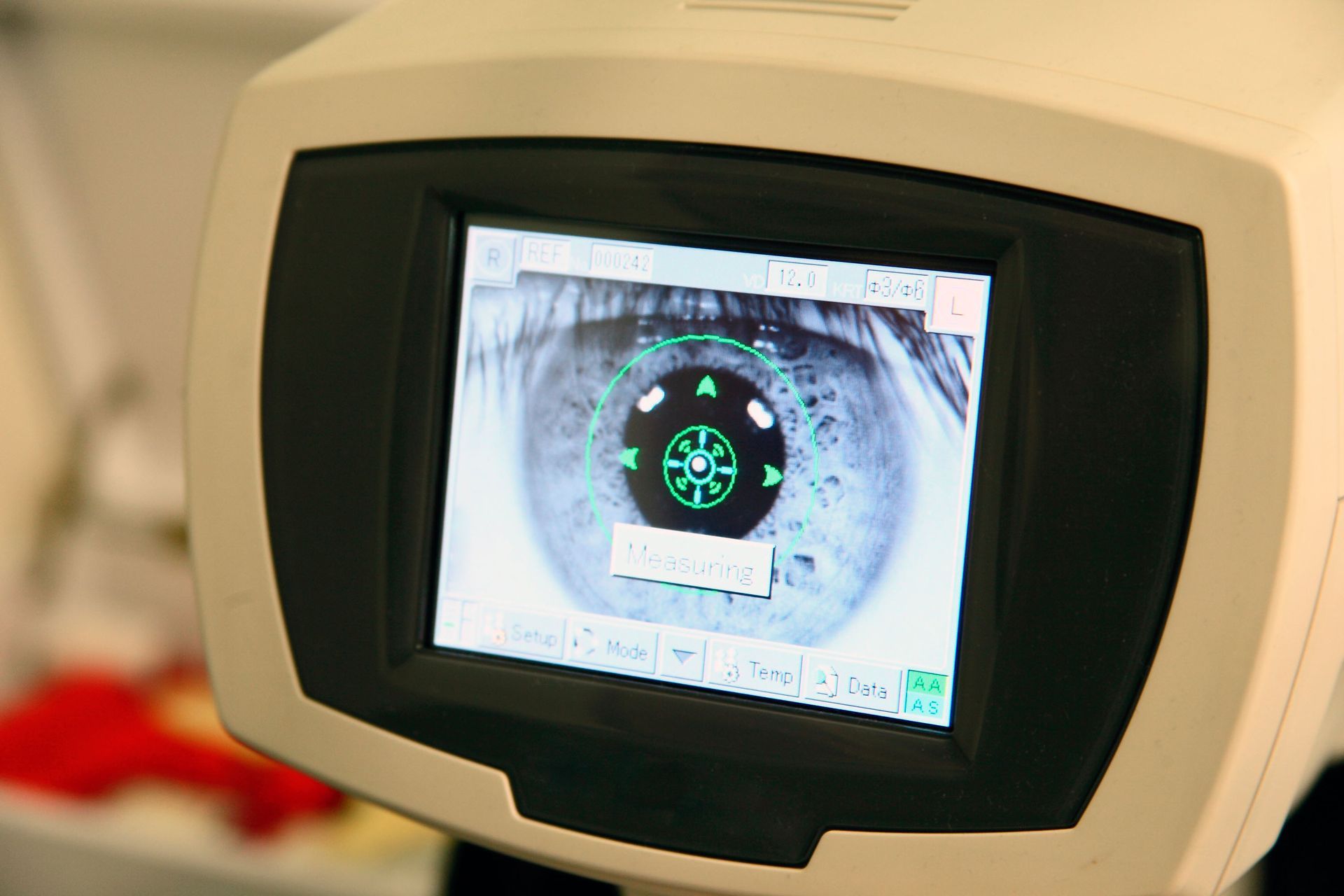
Precision is the foundation of successful ophthalmic interventions, especially when navigating the cornea's microscopic structures. If your surgical devices consistently struggle with accurate calibration, it is a glaring red flag. Minor drifts in laser alignment or fluidic pressure significantly compromise the safety of the operation. Technicians must document instances where machines require multiple recalibrations during a procedure.
Calibration inconsistencies often stem from degrading internal sensors or exhausted laser cavities that cannot hold baseline values. According to the Cleveland Clinic, 3 million cataract surgeries are performed in the U.S. annually. With such massive volume, the demand for phacoemulsification systems and microscopes is incredibly high. Continuous usage accelerates the unavoidable degradation of sensitive optical elements and electronic components.
When a device repeatedly fails automated startup diagnostic tests, personnel should never bypass the warnings to keep the schedule moving. Bypassing safety checks creates an unacceptable clinical risk and puts the patient in immediate jeopardy. Instead, the machine should be pulled from rotation and tagged for a diagnostic evaluation. A certified technician can identify whether the issue is software drift or hardware failure.
Delaying necessary maintenance will only exacerbate the underlying problem and potentially damage adjacent internal parts. Routine servicing ensures that the eye surgery equipment returns to exact factory specifications and operates accurately. Investing in timely recalibration services ultimately saves the practice money by extending the lifespan of expensive capital assets. Always prioritize exact technical precision over scheduling convenience to uphold the highest standard of medical care.
2. Unusual Noises Emanating From Mechanical Components
A quiet operating room is essential for the surgical team to communicate effectively and concentrate on tasks. When modern ophthalmic instruments begin producing unfamiliar grinding or rattling noises, the staff must take notice. Acoustic anomalies usually indicate that moving mechanical parts are experiencing excessive friction or structural failure. High-end operating microscopes and surgical consoles should generally operate with a smooth, reassuring hum.
Grinding sounds from a phaco machine's internal pump system frequently point to worn-out bearings or compromised seals. If these components fail completely during a procedure, the surgeon could lose fluidic control in the anterior chamber. Sudden loss of chamber stability is a severe complication that can lead to permanent visual impairment. Acoustic deviations always warrant an immediate pause to assess mechanical stress.
Similarly, if an operating microscope exhibits clicking sounds when adjusting focal length, the internal suspension gears may be stripped. These sophisticated microscopes require robust, perfectly lubricated suspension arms to float effortlessly over the surgical field. Worn internal gears can cause the optical head to drift downward unexpectedly, entirely disrupting the surgeon's vital field of view. Addressing these structural sounds early actively prevents sudden, dangerous drops.
Your clinical engineering team or designated service provider should be contacted the exact moment these unfamiliar sounds are documented. Routine maintenance can resolve minor friction issues with cleaning, targeted lubrication, and replacement of worn drive belts. Allowing the eye surgery equipment to run while actively producing distress noises guarantees a much more expensive catastrophic breakdown. Listen closely to your machines, as they audibly communicate distress long before they cease functioning.
3. Frequent Software Glitches Or Unexplained Error Codes
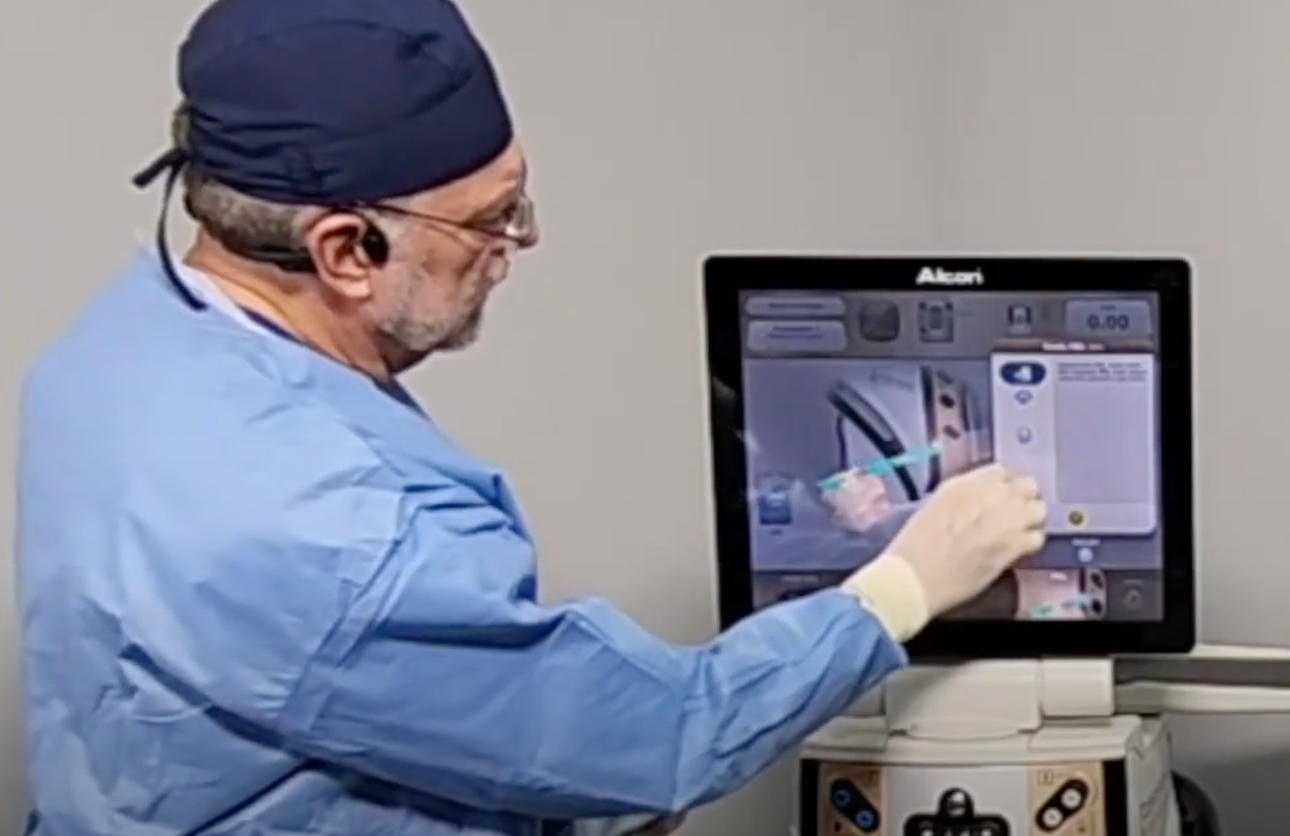
Modern medical machinery relies heavily on proprietary software architectures as well as physical hardware. When the computerized brains of these systems falter, resulting disruptions can bring a surgical center to a halt. Frequent screen freezing, sluggish unresponsiveness to touch commands, or random system reboots indicate digital instability. These frustrating glitches delay time-sensitive procedures and create immense operational stress for the nursing staff.
Unexplained error codes popping up on the main console display should never be dismissed as mere hiccups. These specific warnings are intentionally designed to alert users to faults ranging from thermal overload to communication errors. If rebooting the machine clears the code, but it inevitably returns, the root cause remains unresolved. Ignoring these warnings defeats the fundamental purpose of the safety monitoring infrastructure.
Sometimes, software instability is caused by outdated firmware that simply requires a quick digital patch provided by the manufacturer. In other concerning instances, persistent glitches may be a secondary symptom of a failing internal hard drive. Only a manufacturer-certified technician officially possesses the diagnostic software required to read encrypted error logs accurately. Attempting to force the delicate machine to operate through recurrent crashes can corrupt patient diagnostic data.
Standard preventative service contracts usually include comprehensive annual software updates and thorough digital health checks to prevent these scenarios. Keeping the operating systems current is a vital step in maintaining the cybersecurity and reliability of your fleet. When your eye surgery equipment starts repeatedly exhibiting erratic digital behavior, treat it with the same urgency as a broken tool. Swift software remediation permanently restores the highly dependable workflow that ophthalmic practices require.
4. Visible Wear On Handpieces And Connecting Cords
The physical condition of delicate instruments provides immediate visual clues regarding their overall operational health. Reusable handpieces used in ophthalmic operations undergo rigorous sterilization processes that naturally degrade outer metallic casings. Inspecting these tools daily for microscopic hairline cracks, bent tips, or noticeably loose fittings is mandatory. Even the smallest structural defect in a handpiece can drastically alter its vibration frequency.
Connecting cords, power cables, and pneumatic tubing are equally susceptible to harsh environmental wear and repeated manipulation. Noticeably frayed electrical wiring or deeply kinked pneumatic plastic tubes significantly restrict the flow of power or sterile saline. A physically damaged power cable poses a severe shock hazard and can cause intermittent power loss. Staff members must ruthlessly discard and replace any item showing physical damage.
The slow degradation of waterproof seals within a motorized handpiece can easily allow microscopic moisture to enter sensitive microelectronics. Once sterile fluid completely breaches these internal electronic compartments, the expensive tool will inevitably short-circuit and fail entirely. Routine scheduled service interventions typically involve completely rebuilding these handpieces, carefully replacing all internal rubber O-rings. Proactively swapping out worn physical accessories is vastly cheaper than dealing with the fallout of a mid-procedure failure.
Visual inspections fundamentally require no specialized technical training, making them the easiest and most highly effective first line of defense. Every circulating nurse and surgical assistant must be fully empowered to permanently remove any questionable items from the sterile field. Maintaining absolutely pristine physical conditions for all eye surgery equipment is a direct reflection of a clinic's commitment to patient safety. A robust culture of continuous observation ensures that heavily worn items are completely serviced before negatively impacting clinical outcomes.
The technological ecosystem of a modern ophthalmic operating room demands unwavering reliability from every piece of equipment. By paying close attention to initial calibration struggles, strange noises, recurrent software errors, and physical wear, managers prevent clinical interruptions. Implementing a strict schedule-based maintenance program is the most effective strategy for managing the lifecycle of these indispensable medical investments. Waiting passively for a crucial device to break down is an incredibly risky and massively expensive approach to healthcare facility management.
The primary goal of any dedicated surgical practice is to consistently deliver flawless medical care and remarkable visual recoveries. Partnering closely with highly certified external service technicians practically guarantees that your advanced machinery remains in pristine, factory-calibrated condition. Proactive, highly detailed maintenance thoroughly minimizes costly clinical downtime, significantly extends the overall functional life of your capital assets, and relieves operational stress. By treating your technological tools with professional respect, you firmly secure the solid foundation of your specialized clinic's long-term success. Ensure your clinic operates without interruption by scheduling a comprehensive maintenance evaluation with MEDiSURG today. Our dedicated technicians will expertly service your eye surgery equipment to maintain the highest standards of patient safety and clinical precision.