March 6, 2026
Cataracts remain one of the most common causes of blindness worldwide, affecting millions across different age groups. Over the years, cataract surgery has evolved from invasive procedures to modern, minimally disruptive techniques that provide faster recovery and improved visual outcomes. Phacoemulsification represents one of the most significant advancements in cataract treatment, offering a refined approach to lens removal with minimal trauma to the eye. High-quality phaco surgical equipment plays a central role in these procedures, allowing surgeons to perform precise and effective surgeries that enhance patient care and recovery.
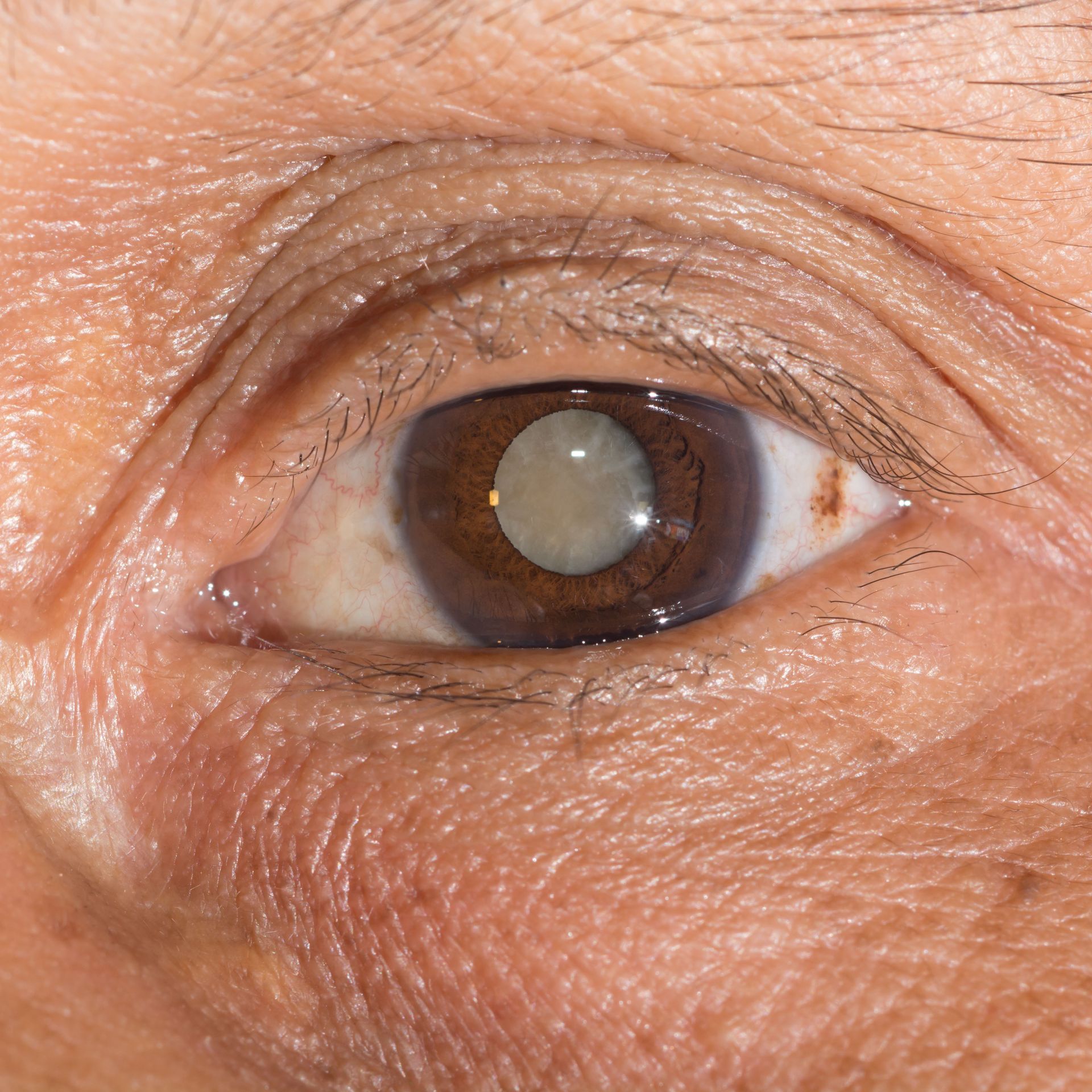
Cataracts affect people globally, making them one of the leading causes of visual impairment. While the condition primarily impacts older adults, younger individuals may also develop cataracts due to genetics, trauma, or other medical conditions. According to the Cleveland Clinic, around 20 million cataract surgeries are performed annually worldwide, highlighting the global need for efficient and safe treatment options. This growing demand underscores why modern surgical techniques, supported by advanced phaco surgical equipment, are crucial in addressing vision loss effectively.
Patients with cataracts frequently report blurred vision, increased sensitivity to light, difficulty seeing at night, and challenges performing everyday tasks like reading, driving, or recognizing faces. Early diagnosis is vital for preventing further vision deterioration and maintaining quality of life. Ophthalmologists typically use visual acuity tests and slit-lamp examinations to detect cataracts with precision. Modern diagnostic tools have accelerated detection, allowing patients to receive timely surgical intervention. Combined with the accuracy of phaco surgical equipment, early treatment can restore vision effectively and help patients regain independence.
Beyond the personal impacts, cataracts impose a significant economic burden on societies. Untreated cataracts contribute to lost productivity, higher dependency on caregivers, and additional healthcare costs related to complications from severe vision loss. Phacoemulsification, facilitated by advanced phaco surgical equipment, helps reduce these costs by allowing faster recovery and lowering complication risks. The societal and individual benefits of surgical intervention underscore the broader importance of modern cataract procedures.
Demonstrating How Phaco Equipment Enhances Surgical Precision
Cataract surgery has undergone a significant transformation over the centuries, evolving from rudimentary methods to sophisticated techniques that minimize risk and recovery time. Traditional surgeries involved manual removal of the lens, often through large incisions, leading to extended healing periods and higher complication rates. Phacoemulsification revolutionized this process by using ultrasonic energy to break down the lens through a small incision, allowing surgeons to remove the cataract with minimal trauma to surrounding tissues.
Introduced in the late 20th century, phacoemulsification provides a less invasive alternative with faster recovery and better outcomes. Patients often experience significant improvements in vision almost immediately after surgery. Advanced phaco surgical equipment allows surgeons to control energy delivery, fluidics, and aspiration rates with precision during surgery. This precision reduces the likelihood of complications and protects delicate ocular tissues, making the procedure safer and more effective.
Technological innovations continue to shape phaco procedures. Laser-assisted systems, improved intraocular lens designs, and integrated imaging technologies allow surgeons to tailor surgeries to each patient's unique anatomy and visual needs. Phaco surgical equipment incorporates these advancements to provide enhanced accuracy and performance. The combination of advanced technology and minimally invasive techniques has solidified phacoemulsification as the leading method for cataract removal worldwide, benefiting millions of patients each year.
Showing the Impact of Phaco Equipment on Patient Recovery and Outcomes
Cataracts can profoundly disrupt daily life, affecting reading, driving, and social interactions. Visual impairment often leads to decreased independence and, in some cases, psychological challenges such as depression. Surgical intervention with phacoemulsification restores visual clarity, transforming the quality of life for patients. High-quality phaco surgical equipment enables a minimally invasive procedure, allowing patients to resume normal activities quickly and regain confidence in their vision.
Healthcare systems also feel the effects of untreated cataracts. Patients may require more support at home or experience extended absence from work, creating indirect financial pressures. Addressing cataracts through effective surgical procedures reduces these societal burdens. Widespread availability of phaco surgical equipment in clinics and hospitals improves the efficiency of treatment delivery and supports healthier communities by reducing the prevalence of severe visual impairment.
Early diagnosis plays a critical role in improving outcomes. With precise evaluation tools, ophthalmologists can identify cataracts before they severely impact vision. Timely surgical intervention using phaco surgical equipment helps patients maintain independence and quality of life. By combining modern technology with patient-centered care, cataract surgeries now achieve superior results for both individuals and society.
Explaining the Functions and Features That Make Phaco Equipment Critical
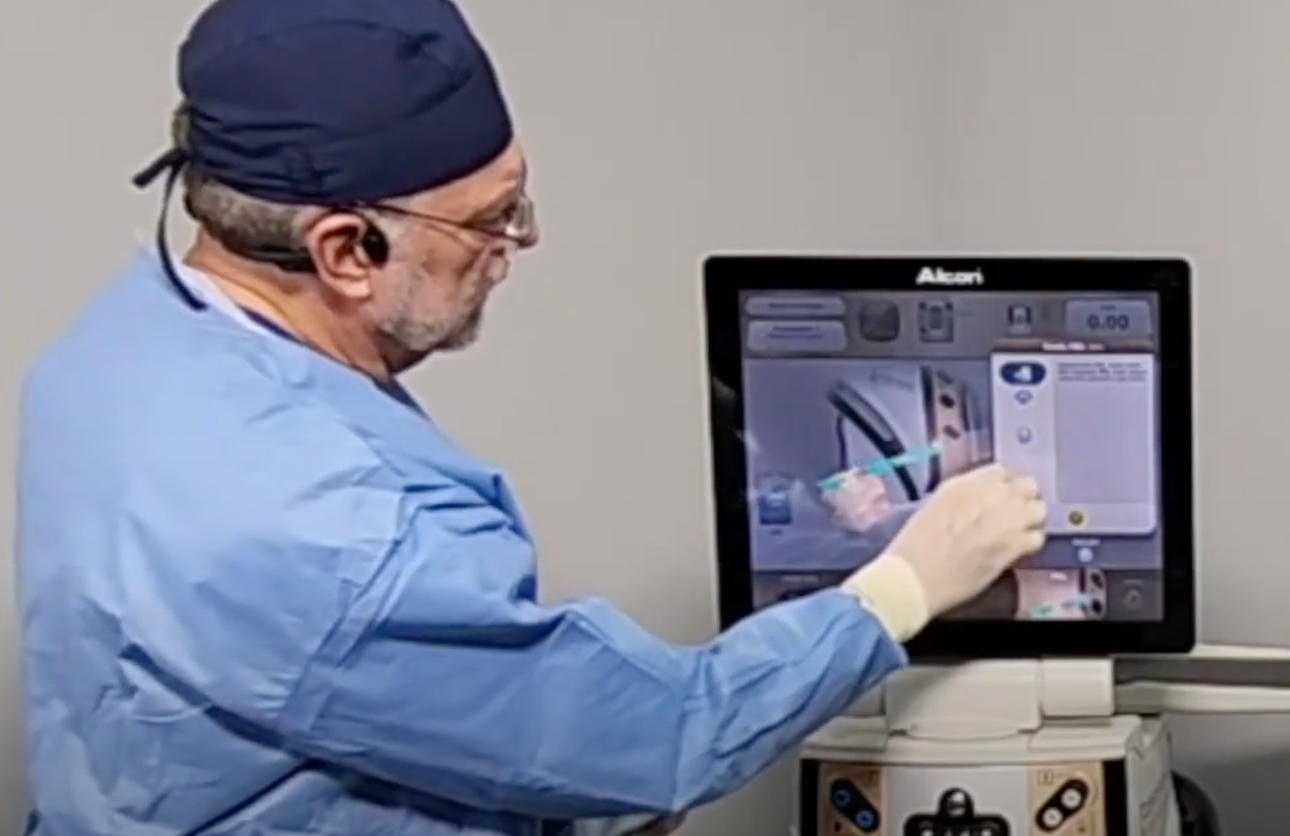
Phaco surgical equipment consists of several essential components that work together to perform precise cataract surgeries. The phaco handpiece delivers ultrasonic energy that emulsifies the lens, while the irrigation-aspiration system simultaneously clears debris and maintains intraocular pressure. Advanced control systems allow surgeons to adjust energy levels, fluid flow, and aspiration rates in real time, providing the flexibility needed during complex procedures. Together, these components create a controlled surgical environment that supports efficient cataract removal.
The precision of phaco machines directly influences patient safety and vision recovery. Even minor variations in energy delivery, fluid balance, or aspiration flow can affect the integrity of delicate ocular tissues, including the cornea and posterior capsule. Modern phaco surgical equipment provides consistent performance with responsive controls, allowing surgeons to manage complicated cases with confidence. Integration with other surgical instruments, such as intraoperative imaging systems and automated viscoelastic injectors, further enhances accuracy and decision-making, providing real-time feedback and guidance.
Recent innovations have expanded the capabilities of phaco systems even further. Improved energy modulation techniques reduce unnecessary ultrasonic power, protecting delicate ocular structures while maintaining effective lens emulsification. Femtosecond laser-assisted technology allows for highly precise, bladeless incisions and capsulotomies, enhancing both safety and predictability. Enhanced phaco probes now offer better fluidics and reduced heat generation, contributing to faster recovery and less postoperative inflammation. Additionally, AI and robotics are increasingly integrated into surgical workflows, delivering predictive analytics, controlled instrument movement, and procedural consistency in complex cases. These advancements highlight the central role of phaco surgical equipment in supporting superior surgical outcomes, improving patient safety, and expanding the range of treatable cataract cases.
Exploring Innovations That Elevate the Effectiveness of Phaco Equipment
The field of phaco technology is continually evolving, with improvements in instrumentation, energy efficiency, and overall surgical effectiveness. Miniaturized and portable phaco systems allow cataract surgery to reach remote or underserved regions while maintaining the precision of larger machines. Energy-efficient designs reduce operational costs and minimize environmental impact, reflecting broader trends in sustainable healthcare practices.
Training and skill development remain essential for maximizing the potential of phaco surgical equipment. Hands-on training, simulation, workshops, and continued education help surgeons refine the skills needed for precise, effective procedures. Collaborative surgical teams further enhance safety and efficiency, demonstrating that the combination of advanced equipment and skilled practitioners delivers the best outcomes.
Phaco surgical equipment is fundamental to modern cataract surgery, providing the precision, control, and reliability necessary for successful outcomes. Phacoemulsification has transformed cataract treatment by reducing invasiveness, accelerating recovery, and restoring vision for millions of patients. Continuous innovation, paired with comprehensive training and patient-centered approaches, reinforces the importance of high-quality equipment in achieving superior cataract procedures.
As global demand for cataract surgeries increases, investing in advanced
phaco surgical equipment allows healthcare providers to deliver high-quality care, improve patients' quality of life, and expand access to effective treatments. For patients considering cataract surgery, reach out to MEDiSURG today to get started.