December 1, 2025
Cataracts are a leading cause of visual impairment worldwide, affecting millions each year. This condition, often associated with aging, causes clouding of the eye’s natural lens, leading to blurred vision and potential vision loss if untreated. Understanding cataracts’ long-term effects is essential for patients, healthcare providers, and policymakers alike. From physical limitations to mental health and socio-economic consequences, cataracts can have far-reaching impacts. In this article, we explore these implications and highlight the crucial role of eye surgery equipment in treatment and care, helping patients and professionals better navigate options for restoring vision and maintaining quality of life.
Examine Cataracts and Their Types
Cataracts refer to the clouding of the eye’s lens, resulting in reduced vision quality. There are several types, each with unique characteristics. Nuclear cataracts develop in the lens core, often as part of the natural aging process. Cortical cataracts form in the lens cortex, creating noticeable “ spokes around the lens edges. Posterior subcapsular cataracts appear at the back of the lens and can progress faster than other types, causing significant vision impairment.
Some cataracts are congenital or result from eye injuries, and each type may require different intervention strategies. Early identification is vital to ensure proper care. In many cases, surgery is the preferred treatment, where the cloudy lens is replaced with an artificial intraocular lens. According to the Cleveland Clinic, surgeons perform over three million cataract surgeries in the U.S. every year, highlighting the need for precise eye surgery equipment to support these procedures and improve patient outcomes.
Identify Causes and Risk Factors
Several factors contribute to cataract formation, both genetic and environmental. Aging is the primary risk, as lens proteins clump together over time, clouding the lens. Ultraviolet radiation exposure can accelerate cataract development, making protective eyewear essential. Diabetes, family history, and certain medications, particularly long-term corticosteroids, also increase risk.
Lifestyle choices further influence cataract progression. Smoking and excessive alcohol consumption raise the likelihood of lens clouding, while a nutrient-rich diet, including antioxidants like vitamins C and E, may help slow the process. Maintaining a healthy lifestyle, staying hydrated, and avoiding prolonged UV exposure are proactive steps that can help preserve vision over the long term. Awareness of these risk factors allows individuals to adopt preventative measures and schedule regular eye exams, particularly those with known vulnerabilities.
Assess Symptoms and Diagnosis
Cataract symptoms vary by type and severity but often include blurred vision, difficulty with glare, and reduced color perception. Reading, driving, and recognizing faces may become challenging, especially under bright light or at night. Vision may gradually yellow or dim, affecting daily life and independence.
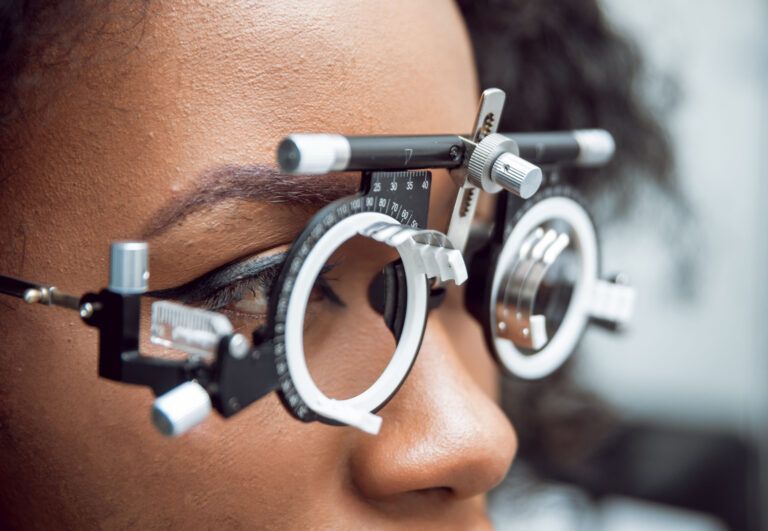
Diagnosis involves comprehensive eye exams, including visual acuity tests, slit-lamp evaluations, and retinal exams. Dilated pupil exams help specialists determine cataract type and severity. Early detection allows for timely interventions, often involving advanced eye surgery equipment for improved surgical outcomes. Regular eye screenings ensure subtle changes are caught early, allowing professionals to intervene before vision deteriorates significantly.
Explore Prevalence and Demographics
Cataracts affect millions globally, with aging populations seeing a higher incidence. While most common among older adults, younger individuals can develop cataracts due to genetics or specific health conditions. Ethnicity and socioeconomic factors also influence onset.
The widespread prevalence underscores the importance of accessible treatments and high-quality eye surgery equipment. As populations age, the demand for cataract management and surgical intervention will grow, emphasizing equitable access to care worldwide. Healthcare providers must remain vigilant and informed about evolving technologies to accommodate increasing patient needs efficiently.
Review Current Treatment Options
Surgery remains the most effective treatment for cataracts. During the procedure, the cloudy lens is removed and replaced with an artificial intraocular lens (IOL), restoring vision clarity. Outpatient procedures minimize discomfort and recovery time, often leveraging state-of-the-art eye surgery equipment to enhance precision and safety.
Additional options for early-stage patients include corrective eyewear, lifestyle adjustments, and eye health monitoring, although surgery is typically necessary for advanced cataracts. Increasing access to modern surgical tools ensures safer and more effective interventions, improving outcomes for patients across diverse regions. Proper maintenance and servicing of surgical equipment further contribute to reliable and predictable results for both surgeons and patients.
Evaluate Short-Term and Long-Term Vision Impact
Cataracts initially cause blurred or clouded vision, sensitivity to light, and difficulties in reading or driving. Over time, untreated cataracts can severely limit independence, making routine tasks challenging and eventually leading to legal blindness in extreme cases. Prompt surgical intervention with reliable eye surgery instruments can prevent significant long-term deterioration.
Long-term vision loss not only affects daily life but also contributes to social isolation, economic hardships, and heightened dependence on others. Understanding these risks emphasizes the value of early medical intervention and regular monitoring to maintain visual health and life quality over time.
Consider Impacts on Mental Health
Declining vision from cataracts can trigger anxiety and depression. Patients may worry about losing independence and face frustration from difficulty performing everyday tasks. Social withdrawal is common, reducing participation in activities and impacting overall life satisfaction.
Support systems — including family, healthcare providers, and professional counseling — play a vital role in mitigating these effects. Addressing mental health alongside physical care creates a holistic approach to cataract management, emphasizing the broader significance of high-quality eye surgery equipment in facilitating effective treatment and boosting patient confidence during recovery.
Enhance Quality of Life
Cataracts can reduce independence and limit engagement in daily and recreational activities. Simple pleasures, such as reading or observing nature, may become more difficult, prompting adjustments in lifestyle. Adaptive technologies, supportive resources, and surgical interventions all contribute to maintaining life quality.
By utilizing precise eye surgery equipment during procedures, ophthalmologists can restore functional vision, allowing patients to continue hobbies, social interactions, and personal routines with minimal disruption. Awareness and preparation, coupled with modern tools and professional expertise, are key to preserving autonomy and engagement in meaningful activities.
Address Socio-Economic Consequences
Cataracts impose financial burdens on individuals and healthcare systems. Treatment costs, including surgery and follow-up care, may be high, and untreated vision impairment can limit employment opportunities. Decreased productivity impacts both individuals and industries reliant on skilled labor.
Expanding access to affordable care, including comprehensive maintenance and training for eye surgery hardware, helps reduce these economic challenges. Promoting equitable treatment options ensures broader societal benefits, including sustained workforce participation and community well-being. Investment in equipment, training, and accessible surgical services safeguards long-term productivity and economic stability.
Prevent Ocular Health Complications
Untreated cataracts increase the risk of secondary conditions, such as glaucoma or macular degeneration, compounding vision loss. Early diagnosis allows coordinated management strategies, often involving advanced eye surgery equipment to address multiple conditions simultaneously.
Careful monitoring and innovative surgical techniques reduce long-term risks, ensuring patients maintain optimal visual health. Integrated approaches by ophthalmologists improve outcomes, emphasizing the importance of up-to-date tools and expertise in cataract care.
Mitigate Post-Surgical Complications
Although cataract surgery is highly successful, potential post-operative issues may occur, such as inflammation, infection, or lens misalignment. Proper use of sterilized and calibrated eye surgery supplies, along with routine maintenance and skilled operator training, minimizes these risks. MEDiSURG offers equipment servicing, parts, and classes to ensure procedures are safe and effective, supporting long-term patient recovery. Continuous training and professional support contribute to optimal surgical outcomes and patient satisfaction.
Understanding the long-term effects of cataracts underscores the importance of early detection, timely surgical intervention, and access to advanced eye surgery equipment. From vision preservation to mental health and socio-economic stability, comprehensive care is vital for those affected by this common condition. At MEDISURG, we provide top-quality equipment, servicing, and training to support healthcare professionals in delivering precise and safe cataract procedures. Explore our offerings today to enhance surgical outcomes and patient care with confidence, ensuring that vision restoration is efficient, safe, and effective for every patient.
The post Understanding the Long-Term Effects of Cataracts appeared first on MEDiSURG.